
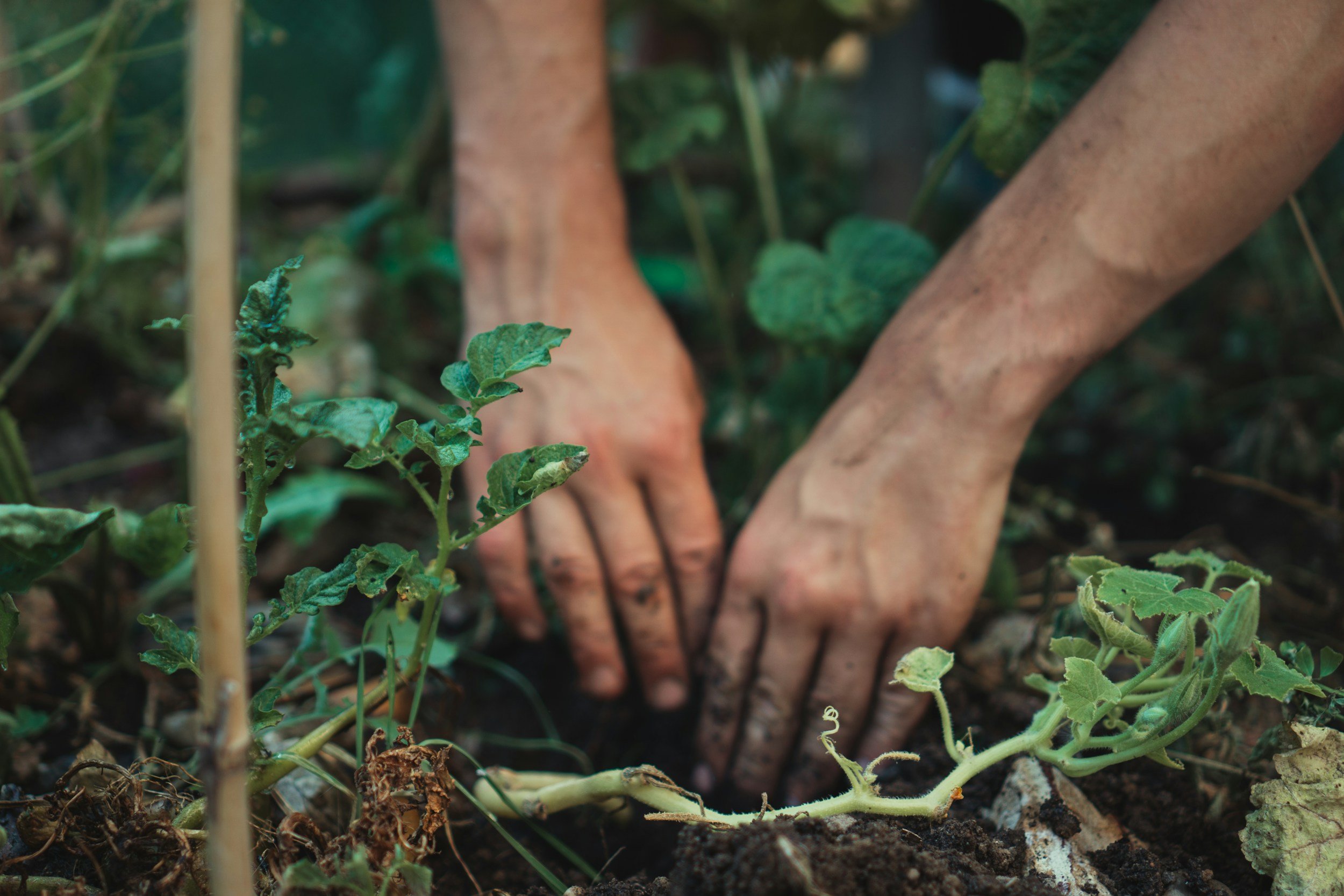
Turn local biomass streams into usable raw materials
Manpas works with biomass users looking for more practical ways to source, process and utilitise local organic side streams. Our technology supports the hygienisation and upgrading of selected biomasses for further use in applications such as growing media, soil improvement, mulch and circular bedding solutions.
We help evaluate feedstock suitabilitym processing nees and collaboration models based on your intended end use.
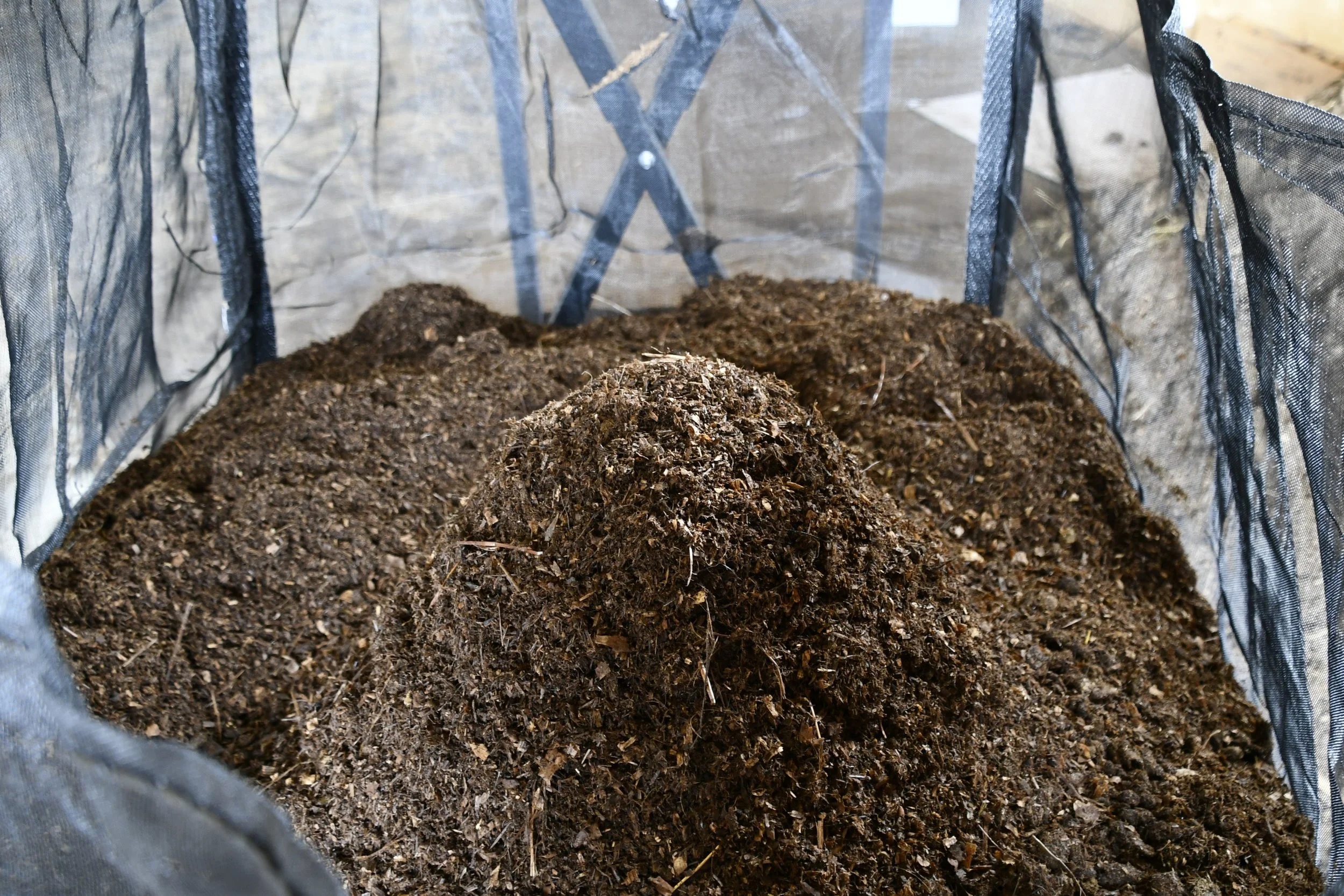
Who is this for?
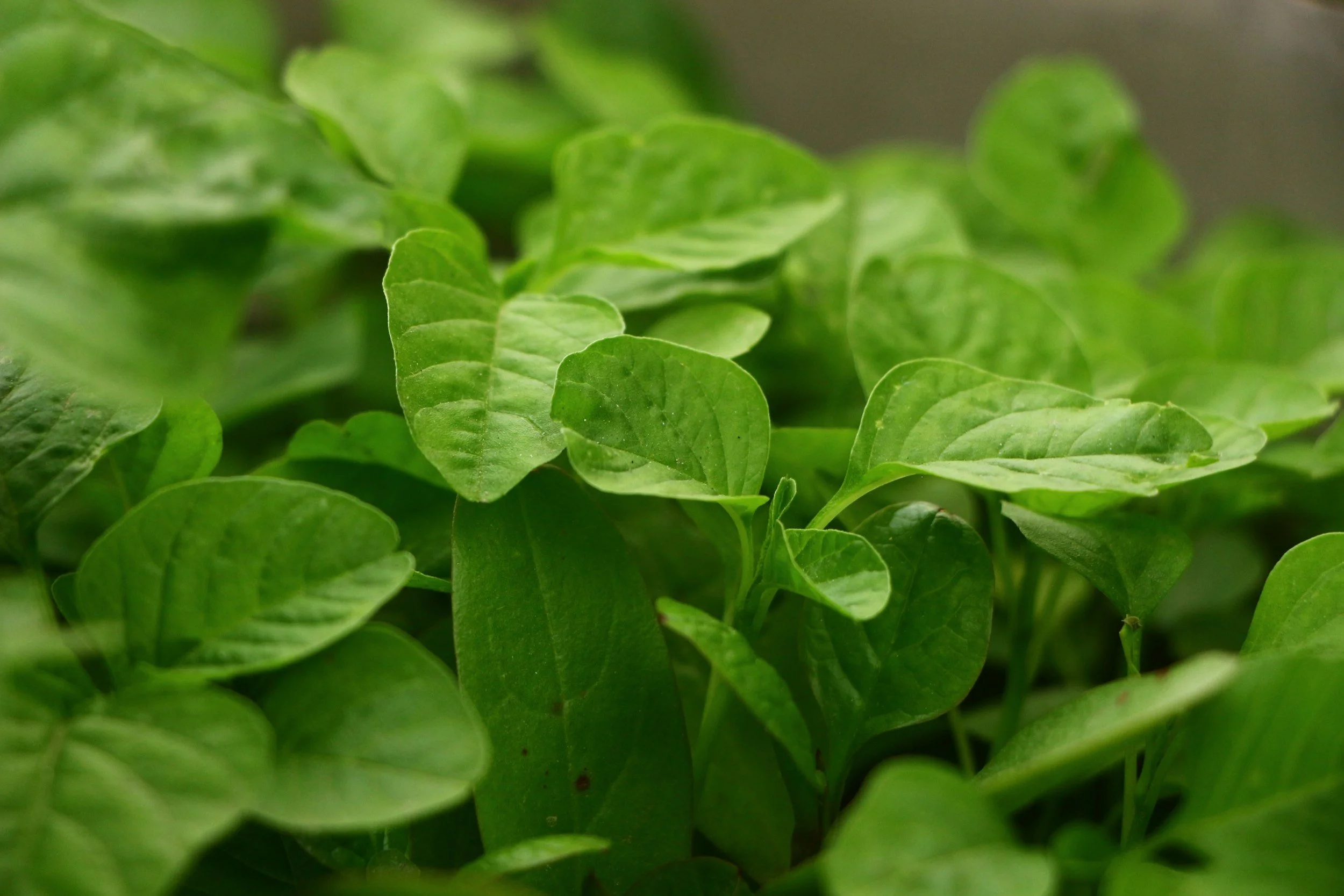
Growing media producers
Companies exploring alternative raw materials for peat-reduced or peat-free substrates.
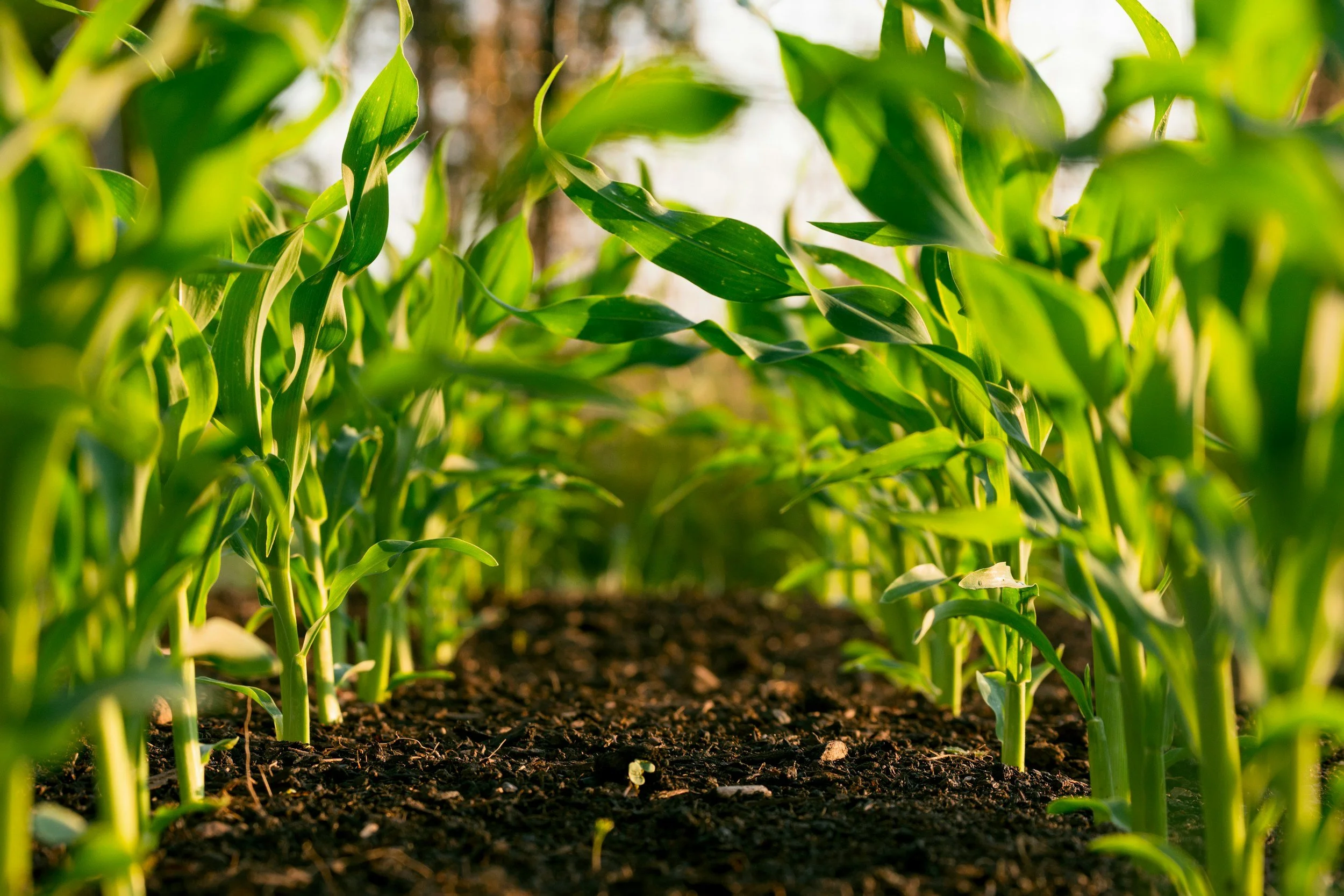
Soil improvement operators
Organisations working with composts, blends or soil improvement materials.

Horticulture and landscaping
Users interested in mulch cover materials or other practical biomass applications.

Circular material developers
Partners developing new value-added uses for hygienised local biomass streams.
Start with your material - not the machine
Before recommending a system size, we assess how the material behaves and how it is currently handled.
-
What material is generated, how much per day or year, and how consistent is the flow?
-
Is the material suitable for controlled heat treatment and continuous material handling?
-
How is the material stored, transported or processed today, and what does that cost?
-
Do you want to use the treated material as bedding, a growing-media raw material, soil-improvement material or for another purpose?
-
What space, material handling, utilities, pre-treatment and installation work are needed?
-
What analyses, approvals or product requirements apply to the intended use in your location?
How the process works
①
Material enters the system
Bedding manure or separated dry material is fed into the silo.
②
The material is mixed and heated
The material is continuously mixed and heat-treated under controlled conditions.
③
Treatment is monitored
Temperature and treatment conditions are monitored throughout the process.
④
Material leaves the system
The treated material exits as a more uniform and controlled material stream.
⑤
Material moves to its next use
The next step depends on the material, treatment result and intended application.
What determines the right system size?
The system is sized according to the actual material flow rather than animal numbers only.
Manpas 1000
Normal capacity 1000 L/day
Approx. 300-400m³/year
Manpas 2000
Normal capacity 2000 L/day
Approx. 600-800m³/year
Custom solutions
For larger flows or site-specific requirements

Is it a viable investment for your site?
We work with you to build a realistic technical and economic case based on your material site conditiions and intended use before a proposal is made.
✓ Purchased bedding costs
✓ Storage requirements
✓ Transport and disposal costs
✓ Labour and material handling
✓ Energy requirements
✓ Potential value of the treated material
What do you need on site?
The system is designed to fit your site and existing operations.
Key requirements typically include:
-
Feeding if bedding manure or separatd fractions.
-
Area for the system and material handling.
-
Electricity, water and ventilation (as required).
-
Any pre-treatment, and handling of treated material at the outlet.
What happens to the treated material?
The treated material can be used in several ways, depending on the original material, treatment result and applicable requirements.
Circular bedding
As bedding material farm and equine facilities.
Growing media raw material
As a component in growing media (e.g. for professional use).
Soil improvement and other uses
As a soil improver or in other applications, where permitted.
Tell us about your material stream
A 30-minute material assesment helps establish whether the solution is worth investigating further.